

Lake Robots for Safe, Clear Water
Capture the food. Starve the bloom.
Safe, cleaner lake water through Active Aluminum™
Across every populated continent, the freshwater bodies that buffer human civilization from its own waste are are choked with algal bloom. From the agricultural watersheds feeding western Lake Erie, to the public reflecting pools of national monuments, to ornamental ponds and aquaculture facilities on six continents, the mechanism is the same: a growing population delivers phosphorus to receiving waters — through sewage, fertilizer runoff, stormwater, and even the corrosion inhibitors in municipal drinking water itself — at rates that exceed what natural geochemistry can sequester. The visible toxic bloom is the symptom. Phosphorus arriving at the inlet is the cause. The InletGuard is engineered for the boundary at which that arithmetic can be changed.
Every algal bloom on Earth depends on phosphorus. It enters at the inlet; it surfaces in the lake. As long as the food keeps arriving, the bloom keeps returning. Aluminum has been used to lock phosphorus into stable mineral form in more than 100 North American lakes — a method endorsed under EPA authority since the 1960s. The chemistry is proven. What has been missing is a way to deliver it continuously, at the boundary, without trucks, tanks, or shutdowns.
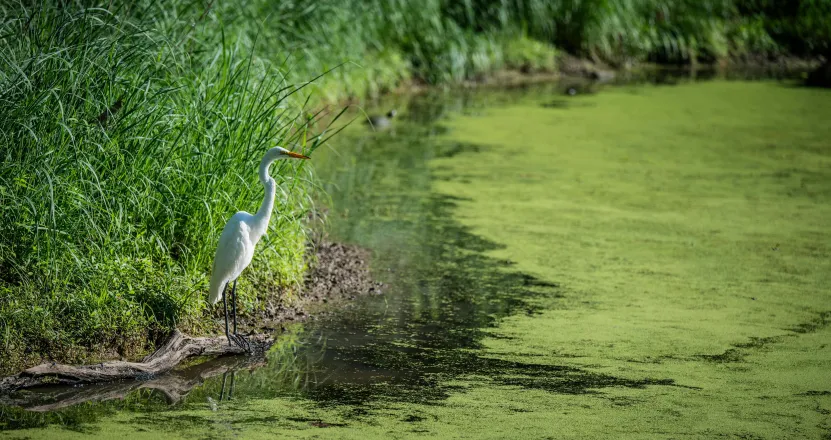
Algae Bloom MITIGATION
We target algae before it blooms, helping to keep lakes clean and safe for communities, and lakefront property owners.
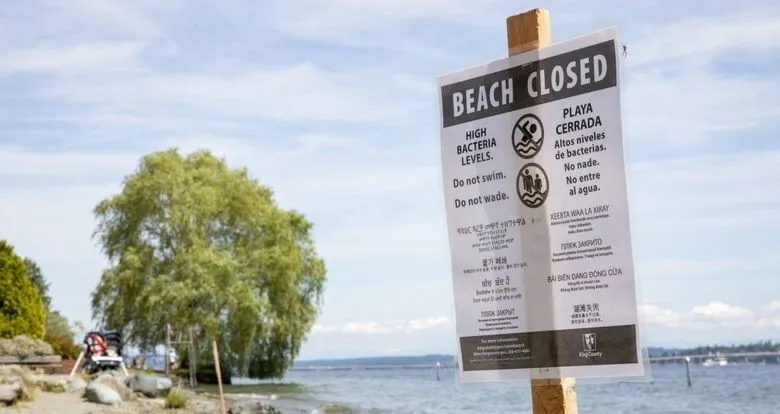
Bacteria Control
We target harmful bacteria like E. coli, supporting efforts to ensure healthier water for swimmers and safer lakes for your community.

Swimmer’s Itch Prevention
We target swimmer’s itch at its source, making lake water more comfortable and enjoyable for residents, visitors, and families.


For Your Association or Community
Why now?
The U.S. spends an estimated $4.6 billion every year managing cyanobacterial harmful algal blooms. Bloom frequency has accelerated roughly sevenfold since 1980. Eleven million Americans had their drinking water disrupted by the 2014 Toledo crisis alone. Almost every populated continent now has freshwater bodies on the watch list.
The conventional response is reactive — algaecide, aeration, emergency alum dosing. All of these address the symptom after the food has already been delivered. We address the food.
Talk to us about your lake.
